No products in the cart.

Email Address
support@med1mg.com
Phone Number
(+91) 99676 09143
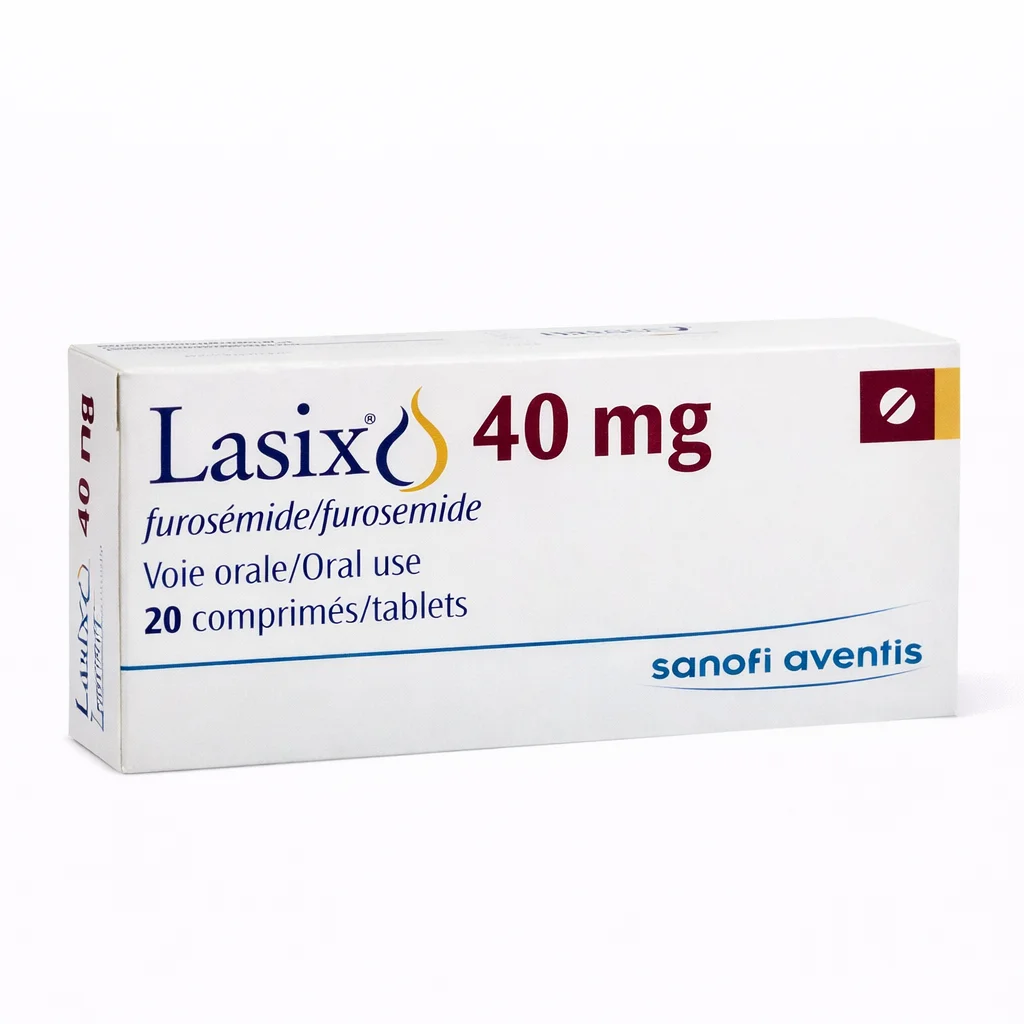
Price range: £10.00 through £50.00
Furosemide may interact with:
Always share a complete list of medications and supplements with your healthcare provider before starting furosemide 40 mg or furosemide tablets 20 mg.
🚚 Enjoy fast delivery—your order arrives in a maximum of 4 to 5 days.
🎧 Our support team is ready to help you anytime, anywhere—reach out!
🔒Your privacy is our priority. Packed discreetly, handled confidentially.

Furosemide tablets are typically prescribed by doctors to assist control high blood pressure or eliminate extra fluid from the body. At Med1mg, we recognize the need for dependable and constant treatment for ailments including edema, heart problems, or kidney problems.
Furosemide tablets are one of the class of medications known as diuretics, sometimes referred to as “water tablets.” It facilitates the removal of excess water and salt from your body through urine. When used properly, this can lower blood pressure and minimize swelling (edema).
This medication is frequently provided under medical supervision throughout India and comes in strengths like furosemide 40 mg and furosemide tablets 20 mg. Let’s learn how it functions and how to utilize it securely.
Furosemide is a prescription diuretic used to treat fluid retention and certain heart or kidney conditions. It is commonly prescribed for:
By increasing urine output, a furosemide tablet helps reduce excess fluid buildup in tissues and blood vessels.
Doctors decide the appropriate strength based on your health condition. Some patients may begin with furosemide tablets 20 mg, while others may require furosemide 40 mg for more effective fluid control.
✔ Helps reduce excess fluid buildup
✔ Relieves swelling and discomfort
✔ Supports blood pressure management
✔ Widely prescribed and clinically trusted
When taken regularly as prescribed, a furosemide tablet can significantly improve comfort in patients dealing with fluid-related conditions.
The kidneys play a key role in regulating fluid balance. A furosemide tablet acts on a specific part of the kidney to prevent reabsorption of sodium and chloride.
When salt is excreted, water follows. This results in:
Because of its strong diuretic effect, regular monitoring may be required during treatment.
The dosage depends on your medical condition, age, and response to treatment.
This strength is commonly prescribed for moderate to severe fluid retention or blood pressure control.
Often used as a starting dose or for milder cases of fluid buildup.
General guidelines:
Do not increase or decrease your dose without medical advice. Skipping doses may affect fluid balance.
Most people tolerate a furosemide tablet well when used under supervision. However, side effects may occur.
If you experience severe weakness, confusion, or unusual symptoms, seek medical attention immediately.
Before starting a furosemide tablet, inform your doctor if you:
Because this medicine increases urine output, maintaining proper hydration is important. Your doctor may also monitor your electrolyte levels regularly.
Avoid sudden standing from a seated position, as dizziness may occur.
Proper storage helps maintain the effectiveness of your medication.
It is used to treat fluid retention and sometimes high blood pressure.
The difference lies in strength. Furosemide 40 mg provides a higher dose, while furosemide tablets 20 mg are usually prescribed for milder cases or initial therapy.
It usually increases urine output within a few hours after taking it.
Yes, if prescribed by your doctor. Follow the recommended schedule strictly.
It can if not monitored properly. Stay hydrated and attend regular check-ups.
Do not stop without consulting your doctor, as fluid may build up again.
At Med1mg, your health and safety are our priority.
✔ 100% Genuine Prescription Medicines
✔ Competitive Pricing
✔ Secure Online Ordering
✔ Easy Prescription Upload
✔ Fast Delivery Across India
✔ Reliable Customer Support
Order your prescribed furosemide tablet, including furosemide 40 mg or furosemide tablets 20 mg, from Med1mg with confidence and convenience.
Furosemide tablets are crucial for controlling fluid retention and promoting heart and blood pressure health. It reduces edema and enhances general comfort when used as directed.
You may trust Med1mg for genuine medications and trustworthy service if your physician has prescribed furosemide 40 mg or 20 mg pills.
| Quantity | 30 Pills, 60 Pills, 90 Pills, 120 Pills, 150 Pills |
|---|



Reviews
There are no reviews yet.