No products in the cart.

Email Address
support@med1mg.com
Phone Number
(+91) 99676 09143
support@med1mg.com
(+91) 99676 09143
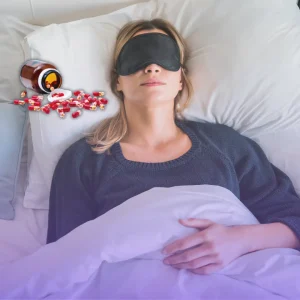
If you are looking for quick relief from occasional sleeplessness in the United States, the main pharmaceutical options usually fall into two groups: over-the-counter sleep aids and prescription insomnia medicines. For a Med1mg audience, the most useful way to answer this is not to name one “best” pill for everyone, but to explain which medicines are commonly used for falling asleep quickly, which are better for staying asleep, and which ones carry the most important safety warnings. In U.S. practice, the main prescription options include zolpidem, zaleplon, eszopiclone, ramelteon, low-dose doxepin, and orexin receptor antagonists such as suvorexant, lemborexant, and daridorexant. FDA drug information lists these among the insomnia medicines used in the U.S. market.
For Med1mg readers following pharmaceutical topics in the UK and abroad, it is important to say upfront that “quick relief” sleep medicines are usually meant for short-term or carefully selected use, not as a long-term solution for chronic insomnia. Mayo Clinic notes that sleeping pills may help when stress, travel, or short-term disruptions keep you awake, but for longer-lasting insomnia, behavioral treatment is usually a better foundation. The American Academy of Sleep Medicine also recommends CBT-I as first-line treatment for chronic insomnia in adults.
In the United States, the most common OTC sleep medicines for fast drowsiness are diphenhydramine and doxylamine. These are sedating antihistamines, and they are widely used because they can make people sleepy relatively quickly. The Mayo Clinic lists both as common nonprescription sleep aids and notes side effects such as daytime drowsiness, dry mouth, constipation, and urinary retention. These medicines are usually best viewed as occasional short-term options, not nightly insomnia treatments.
Among OTC choices, doxylamine is often considered one of the stronger fast-acting options for occasional sleeplessness, while diphenhydramine is also commonly chosen for quick sedation. But neither is ideal for ongoing use. Mayo Clinic specifically warns that antihistamines are not meant for ongoing sleep problems, and it also notes that tolerance can develop quickly, meaning the effect may wear off if used repeatedly. For Med1mg, content, this is an important point: in pharmaceutical discussions, the “best” quick-relief OTC option is usually only the best for occasional, short-term use.
Melatonin is another popular U.S. sleep option, but it is different. It is usually more helpful for jet lag, shift-work sleep problems, or sleep timing issues than for strong immediate sedation. NCCIH says melatonin appears relatively safe for short-term use, but its effect for insomnia is generally modest, and long-term safety is still less certain than many people assume. So if the question is strictly about fast relief, melatonin is often not as strong as sedating antihistamines for immediate sleepiness.
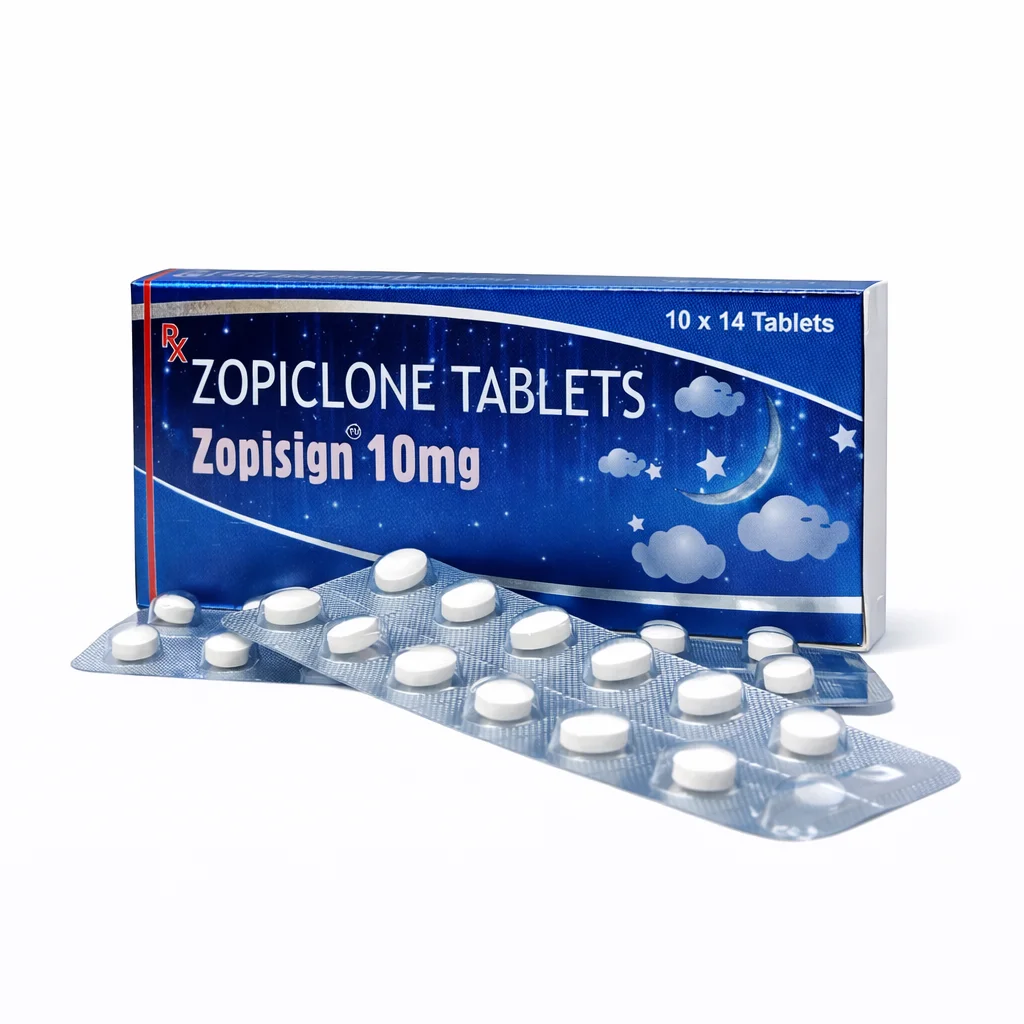
For people who need stronger treatment, U.S. clinicians may consider prescription insomnia medicines. The best-known fast-acting options are often the so-called Z-drugs: zolpidem, zaleplon, and eszopiclone. The FDA includes these among prescription insomnia drugs, and Mayo Clinic notes that some prescription sleeping pills are designed to help you fall asleep, some help you stay asleep, and some do both.
Zolpidem is one of the most commonly used U.S. prescription sleep medicines for sleep onset, meaning it is often chosen when someone wants to fall asleep faster. Mayo Clinic describes zolpidem as a CNS depressant used to treat insomnia, and it remains one of the most recognized short-term prescription choices for quick relief. For many Med1mg readers comparing U.S. pharmaceutical options, zolpidem is among the main names mentioned in “fast sleep aid” discussions.
Zaleplon is also used for sleep-onset insomnia and is often considered when the main problem is falling asleep, rather than staying asleep all night. The AASM pharmacologic guideline includes zaleplon among the specific medicines considered for the treatment of adult insomnia when medication is clinically indicated.
Eszopiclone is another major prescription sleep aid in the U.S. and is often discussed as an option for both falling asleep and staying asleep. That makes it broader than some sleep-onset-only choices. For patients reading Med1mg content and trying to understand U.S. sleep pharmaceuticals, eszopiclone is one of the more versatile prescription names, but it also carries important safety warnings.
Not every sleep medicine is mainly about immediate sedation. Some are chosen for more specific insomnia patterns.
Ramelteon works on melatonin receptors and is generally used for sleep onset difficulties. It is often seen as a lower-dependence option than traditional sedative-hypnotics, though it may not feel as strongly sedating as zolpidem or doxylamine.
Low-dose doxepin is usually thought of more for sleep maintenance, meaning people who wake in the middle of the night or wake too early. It is not usually the first name people mention when they want the quickest sleep onset, but it can be useful when staying asleep is the bigger problem.
Orexin receptor antagonists such as suvorexant, lemborexant, and daridorexant are newer U.S. prescription insomnia medicines that target wakefulness pathways differently from older sedatives. FDA lists these products among approved sleep-disorder medications, and they are often discussed for both sleep onset and sleep maintenance, depending on the specific product and patient profile.
This is the part every Med1mg-style pharmaceutical article should say clearly: fast-sleep medicines can work, but they can also cause significant side effects. The FDA added boxed warnings for zolpidem, zaleplon, and eszopiclone because of rare but serious complex sleep behaviors, including sleepwalking, sleep-driving, and other activities performed while not fully awake. The FDA says these events have resulted in serious injuries and death, and people who have had such reactions should not use these medicines again.
OTC antihistamine sleep aids also have downsides. Mayo Clinic notes that they can cause next-day grogginess and anticholinergic side effects, and they are especially problematic for some older adults or people with certain medical conditions. That is why the best “quick relief” choice depends not just on how fast a medicine works, but on the person using it.
For OTC quick relief, the most commonly used options are doxylamine and diphenhydramine, though they are best reserved for occasional use. For prescription quick relief, the most recognized sleep-onset medicines are zolpidem and zaleplon, while eszopiclone may be more useful when both sleep onset and sleep maintenance matter. For people whose issue is more about staying asleep, low-dose doxepin or an orexin receptor antagonist may fit better. Melatonin and ramelteon can help some people, but they are usually not the strongest “knock-you-out-fast” options.
For Med1mg readers, the best final takeaway is this: the best quick-relief sleep aid in the United States depends on whether you need help falling asleep, staying asleep, or resetting your body clock, and the safest long-term approach to chronic insomnia is usually not medication alone. That makes a careful, safety-first answer much stronger than simply naming one pill as “the best.”