No products in the cart.

Email Address
support@med1mg.com
Phone Number
(+91) 99676 09143
support@med1mg.com
(+91) 99676 09143
Anxiety, panic feelings, and painful muscle spasms can make daily life feel heavy. When your body feels tense, or your mind will not slow down, even simple tasks can become difficult. You may struggle to sleep, focus at work, move comfortably, or feel relaxed during the day.
Muscle spasms can be painful and frustrating. They may cause tightness, stiffness, reduced movement, or sudden discomfort. Anxiety can feel just as physical, with racing thoughts, restlessness, chest tightness, disturbed sleep, and difficulty switching off.
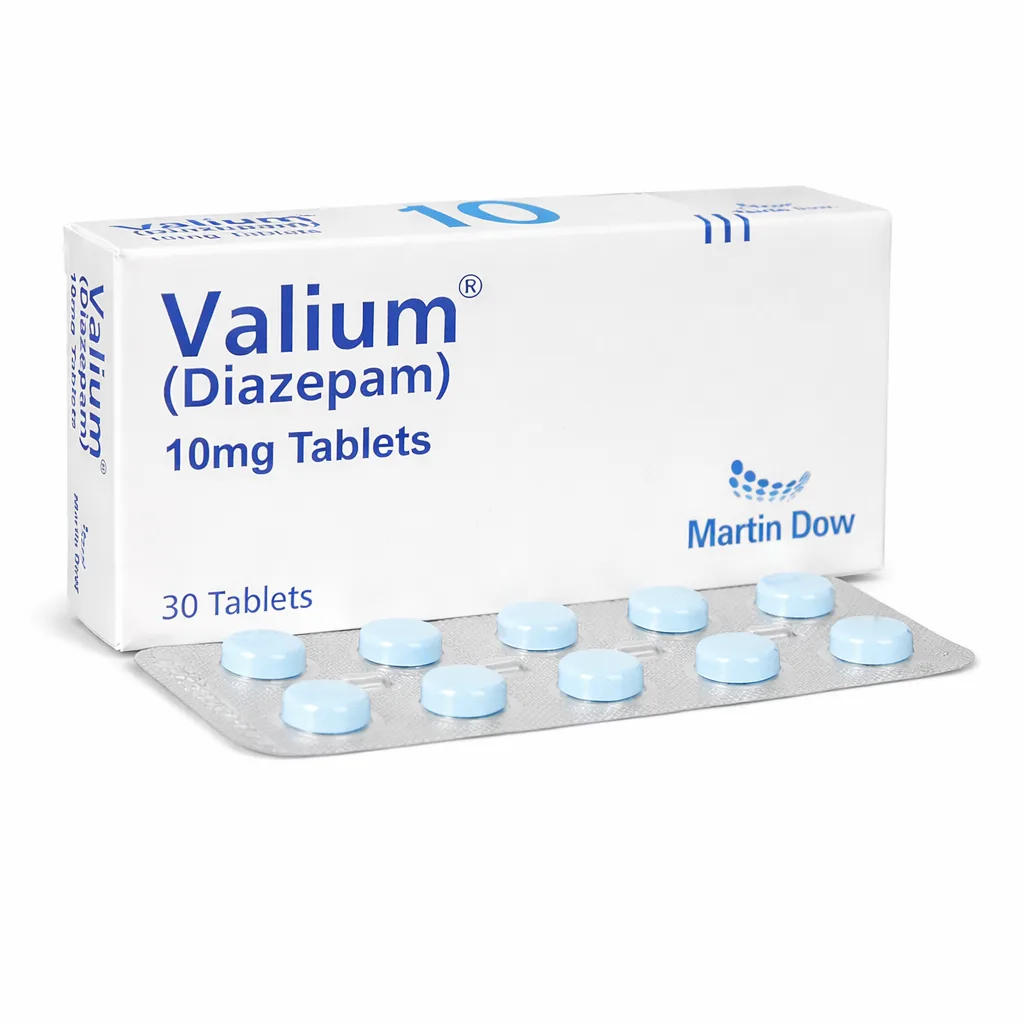
For some people, a doctor may consider a prescription medicine such as a Diazepam tablet for short-term symptom relief. Diazepam belongs to a group of medicines called benzodiazepines. It may be prescribed for anxiety, muscle spasms, or related nervous system symptoms when a healthcare professional believes it is suitable.
This page explains anxiety and muscle spasms first, then introduces Diazepam Tablets as a possible treatment option under medical guidance. The structure follows your uploaded webpage brief for a disease-focused “Best Product” page.
Anxiety is more than occasional worry. It can make the body feel alert, tense, and unsettled even when there is no immediate danger. Some people experience racing thoughts, nervousness, panic feelings, sweating, trembling, poor sleep, or difficulty concentrating.
Muscle spasms are sudden, involuntary tightening of muscles. They may happen because of injury, overuse, nerve irritation, poor posture, dehydration, stress, or certain medical conditions. Some spasms are mild and pass quickly, while others can be painful and limit movement.
Anxiety and muscle tension can also be connected. When the nervous system is highly active, muscles may stay tight for longer. This can lead to stiffness, headaches, back discomfort, neck tension, or general body aches.
The right treatment depends on the cause. For example, a muscle spasm caused by injury may need rest, physiotherapy, or pain management. Anxiety may need lifestyle support, therapy, breathing techniques, or other medicines. Diazepam may be considered only when short-term calming or muscle-relaxing support is medically appropriate.
Occasional stress or muscle tightness is common. But ongoing anxiety or repeated muscle spasms can affect quality of life.
Poor sleep may make anxiety feel worse. Painful spasms may reduce movement and make daily work harder. If symptoms continue, they can affect mood, productivity, relationships, confidence, and overall well-being.
Ignoring symptoms can also delay proper diagnosis. A person may think they only have “stress” when pain, sleep problems, medication effects, or another health condition may be contributing. Similarly, muscle spasms may sometimes be linked to nerve problems, injury, posture, or underlying illness.
A healthcare professional can help identify the cause and recommend the safest treatment plan.
Diazepam tablets are a prescription medicine from the benzodiazepine family. Benzodiazepines work on the brain and nervous system to produce a calming effect.
Diazepam may be prescribed for short-term relief of anxiety, muscle spasms, alcohol withdrawal symptoms, or certain seizure-related conditions, depending on medical advice. NICE’s British National Formulary lists diazepam for conditions including anxiety and muscle spasm, with important cautions around sedation, alcohol, and skilled tasks.
Diazepam tablets are not casual relaxation pills. It should not be used without a prescription, shared with someone else, or taken simply to “calm down” after a stressful day.
Because diazepam can cause drowsiness, tolerance, dependence, and withdrawal symptoms, it is usually used for short-term support under careful medical guidance.
Diazepam may help calm excessive nervous system activity. This can support short-term relief from anxiety symptoms, tension, and certain types of muscle spasms.
Doctors may consider diazepam for muscle spasms when muscle tightness, stiffness, or painful contractions are significant and when the medicine is suitable for the person’s health condition.
For anxiety, diazepam may help reduce short-term nervous tension and panic-related symptoms. For muscle spasms, it may help relax tight muscles and improve comfort. However, it does not permanently cure anxiety or muscle problems.
Long-term improvement often depends on addressing the root cause. This may include stress management, counseling, physiotherapy, posture correction, gentle exercise, better sleep routines, or treatment of an underlying medical condition.
Many people ask, “How long does 5 mg of diazepam take to work, especially when it has been prescribed for anxiety or muscle spasms?
The answer can vary. Diazepam tablets generally start working within a short period after taking them, but the exact timing depends on the person, dose, condition being treated, food intake, age, liver function, other medicines, and overall health.
For some people, the calming or muscle-relaxing effect may be noticed relatively quickly. For others, it may feel more gradual. It is important not to take extra tablets if the effect does not feel immediate. Taking more than prescribed can be dangerous.
Always follow the timing and dose given by your doctor or pharmacist.
Diazepam tablets may be prescribed for adults with short-term anxiety symptoms, panic-related tension, muscle spasms, or certain nervous system conditions where a doctor believes it is suitable.
It may not be suitable for everyone. Extra caution may be needed for people with breathing problems, sleep apnea, liver disease, severe muscle weakness, mental health concerns, pregnancy, breastfeeding, or a history of alcohol or drug misuse.
Diazepam can also interact with other medicines, especially opioids, sleeping tablets, antidepressants, antihistamines, and other sedatives. These combinations may increase drowsiness, breathing problems, or serious side effects.
A doctor will consider your symptoms, medical history, other medicines, and risk factors before prescribing it.
Diazepam Tablet should be taken exactly as advised by a healthcare professional. The correct dose, timing, and duration depend on the condition being treated and the person’s health profile.
Do not increase the dose yourself. Do not take it more often than prescribed. Do not share it with anyone else.
Diazepam is generally intended for short-term use. Patient information for Diazepam 2 mg, 5 mg, and 10 mg tablets warns that the risk increases with higher doses and longer treatment duration and that patients should take diazepam for as short a period as possible.
If you have been taking diazepam for more than a short period, do not stop suddenly unless your doctor advises it. Stopping suddenly may cause withdrawal symptoms. A healthcare professional may recommend reducing the dose gradually.
Like all medicines, diazepam tablets may cause side effects. Not everyone gets them, but it is important to know what may happen.
Common possible side effects include:
The NHS lists sleepiness, drowsiness, and confusion among common side effects of diazepam and advises avoiding driving, cycling, operating tools, machinery, and alcohol if affected.
Some people may also feel unsteady, slow to react, or less focused. This can increase the risk of falls, accidents, or poor decision-making.
Seek urgent medical help if you experience breathing difficulty, severe drowsiness, fainting, allergic swelling, severe confusion, or unusual behavior.
Avoid alcohol while taking Diazepam tablets. Alcohol can increase drowsiness and make side effects more dangerous. NICE also notes that diazepam may impair judgement and increase reaction time and that alcohol effects may be increased.
Do not drive or operate machinery if you feel sleepy, dizzy, confused, weak, or not fully alert.
Do not mix diazepam with opioids, sleeping tablets, strong painkillers, or other sedatives unless a doctor specifically advises it. These combinations can increase the risk of serious sedation and breathing problems.
Tell your doctor if you are pregnant, planning pregnancy, breastfeeding, have liver problems, breathing problems, mental health concerns, or a history of substance misuse.
Diazepam is a controlled medicine in the UK and should be used only as prescribed. This means safe, legal, and responsible use is essential.
Buying prescription medicine online should always be approached carefully. Diazepam is not suitable for casual or unsupervised use.
A responsible online pharmacy should provide clear product information, prescription checks where required, secure ordering, privacy protection, and access to professional guidance. It should not encourage self-medication or make unrealistic claims.
Avoid websites that offer diazepam without proper checks, hide safety information, or pressure customers into quick purchases. Unverified sellers may provide fake, unsafe, or poor-quality medicines.
Your health and safety should always come before convenience, price, or fast delivery.
A trusted online pharmacy helps protect patients by focusing on genuine medicine, safe supply, and responsible information.
For medicines like Diazepam tablets, this matters even more because incorrect use can lead to drowsiness, dependence, withdrawal symptoms, unsafe interactions, or accidents.
A reliable pharmacy should clearly explain what the medicine is used for, who should avoid it, possible side effects, and when medical advice is needed. Good healthcare websites do not simply sell medicines. They help people make safer decisions.
Anxiety and muscle spasms can affect sleep, comfort, movement, work, and emotional well-being. When symptoms become difficult to manage, proper medical advice is important.
Diazepam tablets may be prescribed for short-term relief of anxiety, muscle spasms, or related nervous system symptoms when a healthcare professional decides it is suitable. It may help calm the nervous system and relax muscles, but it should not be used casually or long-term without review.
The safest approach is simple: get the right diagnosis, follow your doctor’s instructions, avoid alcohol and unsafe medicine combinations, and use only trusted pharmacy sources. Used responsibly, Diazepam tablets may support short-term relief while the underlying cause is properly managed.